
Map & Local Presence
Local business identity becomes discoverable in geographic context rather than only through product listings.
Business presenceLocal identity · category · location

Give the business a usable digital surface without requiring a mature e-commerce operation first.
Business identity, location and category context can create a useful page before a complete product catalog exists.
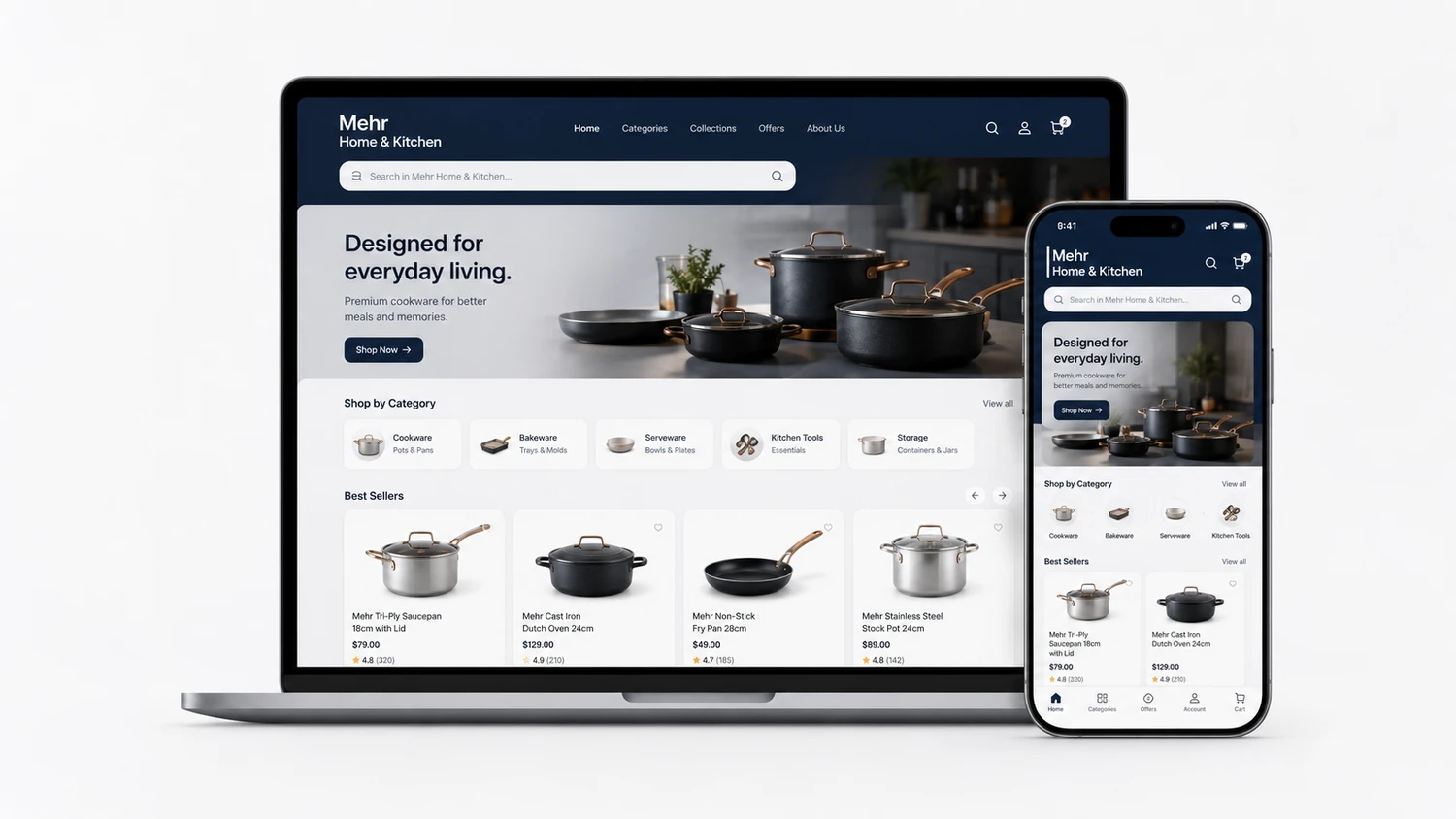
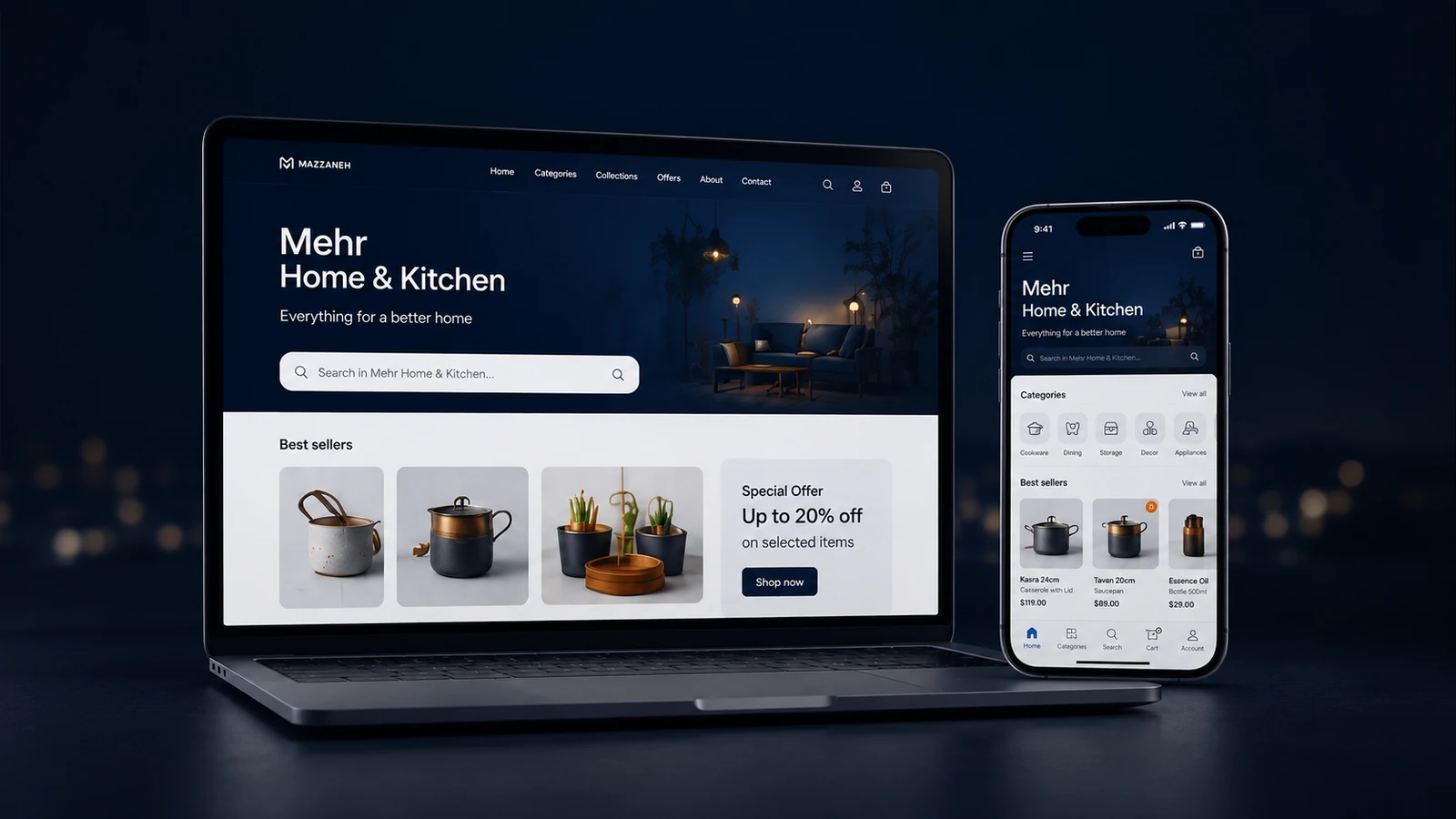
The business could become useful before the catalog was complete. Category-style surfaces could still let a buyer ask the store for a current quote instead of landing on an empty page.
See storefront demoLocal business identity becomes discoverable in geographic context rather than only through product listings.
A visual browse layer for products, services and categorized seller content.
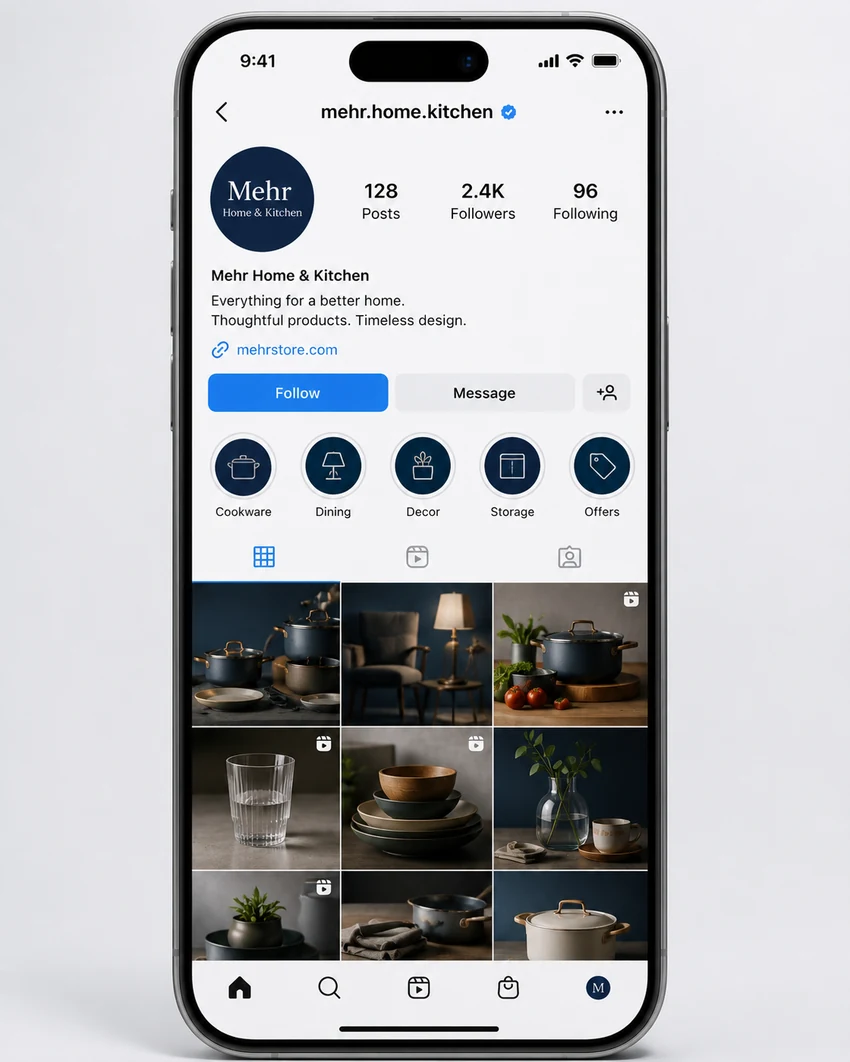
First create value. Then ask for deeper digitization. Seller adoption is a progression, not a prerequisite.

The system should not force the merchant to become an app expert before a relevant customer opportunity can reach them.

See how a seller storefront can appear on web and mobile before a heavier rebuild.
Review storefront logic
The longer source-oriented explanations are retained below so the page can stay visually focused without dropping the original content.
The historical proposal describes business pages that Mazzaneh prepared using basic business information, location and category context. When a seller had not uploaded products, category-style surfaces could still let a buyer ask the store for a current quote instead of landing on an empty page.
Design law: the seller could begin as a responder before being required to become a full-time content manager.
Historical materials describe storefront pages as search-oriented; exact ranking performance must be verified separately.
Digitize first. Create the site, upload products, maintain prices, learn the tools — then hope traffic arrives.
Deliver usefulness first. Establish presence, let real demand reach the business, allow response, then progressively deepen the digital surface.
This supporting section turns the storefront logic from Section 03 into a visible demo. The seller can have a branded presence, a hero banner, core products, grouped albums, a promotional banner, and contact or inquiry routes — even before a traditional full catalog workflow is required.
ZEN fashion store · desktop view. The web demo shows the ZEN storefront as a clean brand page: hero banner, store identity, featured products, grouped albums, promotional banner, newest items and business contact information.
ZEN fashion store · mobile view. The mobile version shows how the same storefront logic can be carried into a phone-first experience with the same identity, products and store presence.
The seller problem was not only “how do we build a better merchant panel?” The harder problem was how to make a traditional or low-digital business reachable, useful and responsive before it had adopted the full product. In the recovered Phase 1 narrative, seller acquisition, storefront preparation, communication fallback and response activation become part of the product architecture itself.
Core design law: Mazzaneh should not require a business to install an app, build a complete catalog or learn a complex digital workflow before the business can receive its first visible reason to participate.
The historical proposal says seller recruitment ran in parallel with technical development because a public marketplace could not launch empty. The later Shiraz narrative formalizes this as a shift from “install first” toward registration, contact and market learning. The funnel was not only a sales funnel. It was also an early product-learning loop.
Exact phone/SMS/messaging behavior is version-sensitive. The point of this reconstruction is the adoption principle: channel and interface should adapt to the seller state, not the other way around.
The Shiraz narrative explicitly describes a Multi-Channel Delivery Layer built because dependence on one communication route was fragile. The strongest historical wording supports app + SMS + fallback paths; later canonical material also maps WhatsApp and voice/IVR as version-sensitive routes.
Claim boundary: this section preserves the architectural principle and known channel families. It does not claim that all channels were active at the same time, that the fallback order was fixed, or that every seller had identical WhatsApp/voice behavior.
In a request-driven network, seller inactivity damages both sides. The recovered Shiraz story describes a distinct activation mechanism: missed-request notices, SMS/phone reminders and follow-up on unanswered conversations.
This is a modern reconstruction of the source-described activation logic. It intentionally avoids a historical “X customers lost this week” number until the original message/script and calculation window are reconciled. Historical mechanism: missed-request notification + SMS/phone reminder + follow-up. Exact copy, timing and metrics remain evidence-routed.
The proposal and Origin narrative describe business outreach running alongside product construction. The important value is not merely the count of calls; objections and seller behavior fed back into product decisions.
Review interpretation: seller acquisition should be read as part of Phase 1 product formation, not merely as a marketing campaign that happened after the product was complete.